Ducati
 had announced their intent during the World Ducati Week, back in May 2004. And today, in June 2006, they’ve kept their word. 989cc L4. 205 horsepower. About 165 kilos dry weight. And a top speed in excess of 320km/h. Ducati’s Desmosedici RR, the world’s first road-legal
MotoGP replica is go. Okay, so the road going Desmosedici RR has about 35 horsepower less than the bike which
Loris Capirossi rode to victory in this year’s MotoGP at Jerez. And
Ducati are only building 400 of these bikes, of which more than 300 are already spoken for. Plus, each RR will cost in about US$65,000 so it’s not like you can just rush to the nearest
Ducati dealership and put down a deposit on one. But yes, if there’s one thing in the world which makes me want to earn more money, it’s this
Ducati. It’s gorgeous beyond its sand-cast aluminium alloy crankcase and cylinder heads. It’s glorious beyond its titanium con-rods and valves. It’s desirable beyond its magnesium engine covers…
Stunning it may be, but the
Ducati still isn’t the last word in
straight line performance. That honour would have to go to the
MTT Y2K, the world’s first and only turbine-powered motorcycle. The Y2K has a Rolls-Royce Allison turbine engine, which makes 320 horsepower, and the bike is capable of hitting a
top speed of about 365km/h. Want to see the bike in action? Want to listen to that turbine engine spooling up?
Watch this video. Awesome, eh? Forget comparing its performance with other bikes – the Y2K raced an L-39 Aerovodochovy jet aircraft (for a television documentary filmed for Discovery channel), and won repeatedly, over several runs.
All right, most of us would never be able to go shopping for a MotoGP racer replica, or a turbine-powered jet bike. But if you must have 200 horsepower and 320km/h, there’s still hope. The
Kawasaki ZZR1400 for example, which costs a relatively modest Rs 7.25 lakh or so. On the track, and off it, the Desmosedici RR will be in a completely different league altogether. And in a straight line, the Y2K will blow the fairing off the ZZR. However, on the road, the ZZR’s 190 horsepower, massive acceleration (in stock form, it does a
sub-10 second quarter mile…), and 320km/h top speed should be just about adequate for most.
Performance sells. And just now, it’s selling more than it ever has in the past. Which is ironic really, given the ever more stringent enforcement of speed limits in most parts of the world. But that’s not stopping more manufacturers from getting on the speed and performance bandwagon. It’s gotten to the point where
BMW, whose motorcycles most people only associate with genteel tourers, were rumoured to be going to MotoGP in 2007! Not that it's going to happen, but still...
MotoGP bikes for the road and
the quest for 400km/h notwithstanding, there’re also other interesting things happening in the world of motorcycles. The German-built Neander for one, which is probably the world’s first motorcycle to be powered by a turbodiesel engine. The 1400cc unit makes 200Nm of torque at 2600rpm and the diesel bike can accelerate from zero to 100km/h in four seconds. Top speed for this 310 kilo cruiser is 220km/h, so laugh at the Neander at your own peril. More oddballs? Take the very recent British-built Gibbs Quadski – a 140bhp quad, that’s also a jet-ski. Its wheels retract at the touch of a button when you want to use it on water, and the thing can do up to 80km/h on either land or water. Production, I kid you not, is expected to begin within the next three years. What will they ever think of next.
Update (26.09.2006): Ducati have got more than 700 orders for the Desmosedici RR and are planning a second production line to meet orders!
 Racing Bike
 Racing Bike
 Racing Bike
 Racing Bike
 Racing Bike
 Racing Bike
 Racing Bike
 Racing Bike
 Racing Bike
 Racing Bike

 honda cbr1000rr bikes review
 honda cbr1000rr bikes review
 honda cbr1000rr bikes
 honda cbr1000rr bikes
 honda cbr1000rr bikes
 honda cbr1000rr
 Honda cbr1000rr
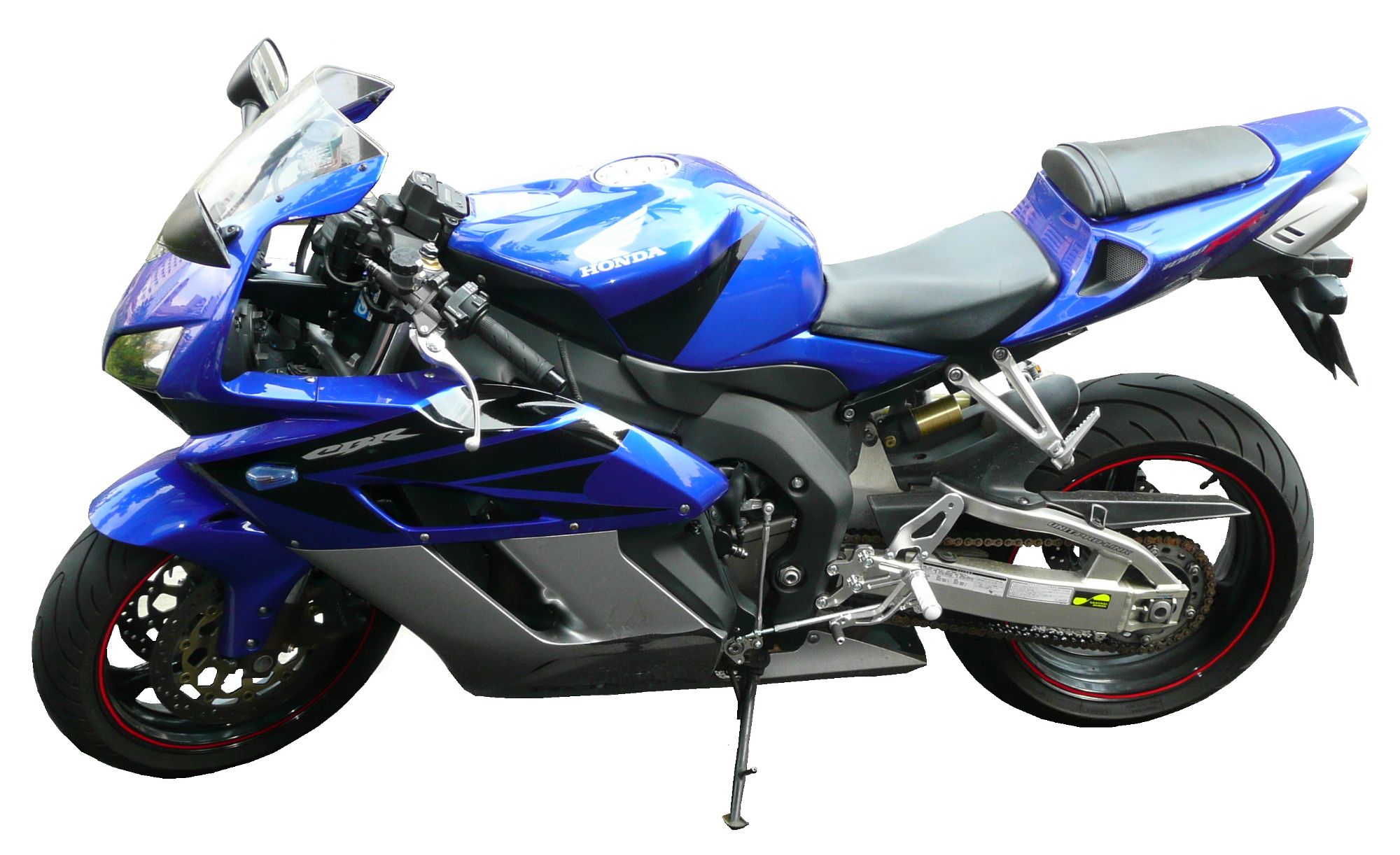 Honda cbr1000rr
 Honda cbr1000rr
 Honda cbr1000rr
 Honda cbr1000rr
  All bikes wallpapers
 All bikes wallpapers
 Bikes wallpapers
 All bikes wallpapers
 All bikes wallpapers
 honda bikes wallpapers
 ghost rider bikes wallpapers
 future bikes wallpapers
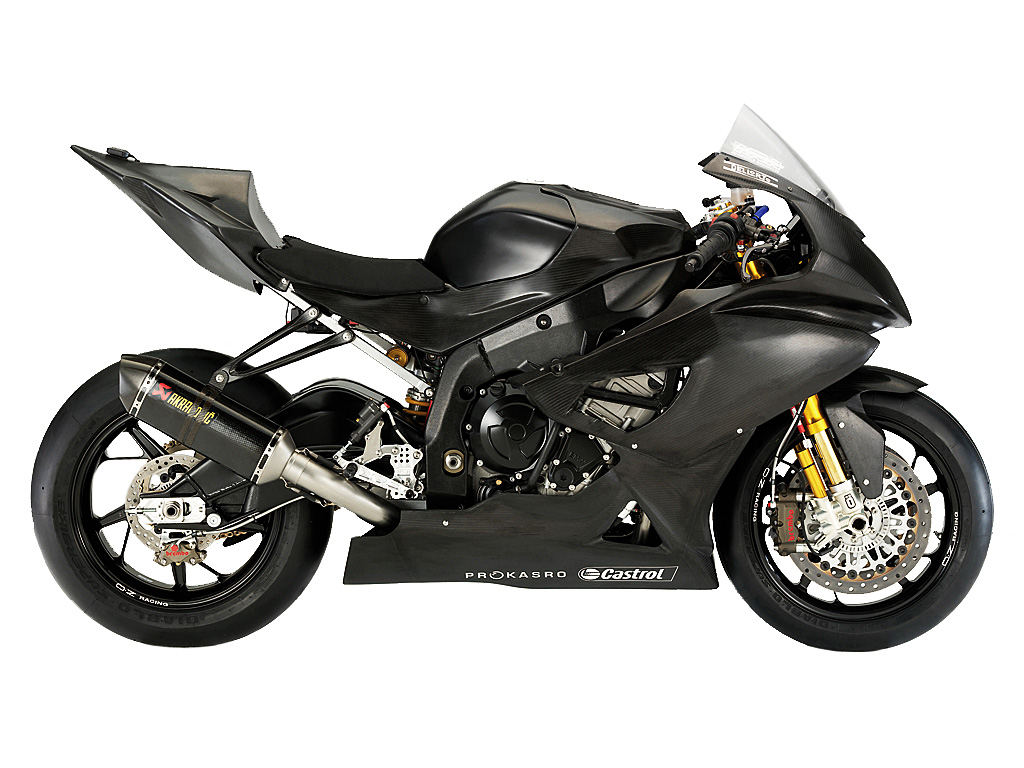 honda bikes wallpapers
 china bikes wallpapers
 Bikes wallpapers
 Bikes wallpapers
 Bikes wallpapers
 Bikes wallpapers
 Bikes wallpapers


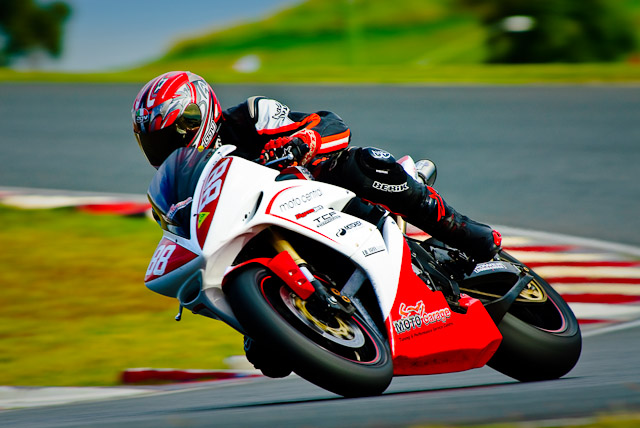
 I don’t need Mahabaleshwar or Lonavala on weekends – MotoGP on television, a bunch of friends who’re also mad about motorcycle racing and some cans of cold beer work just fine. And while everyone is rooting for Rossi, I’m usually harbouring secret hopes of Loris Capirossi (and till last year, Max Biaggi…) pulling one out of the bag and taking top spot.
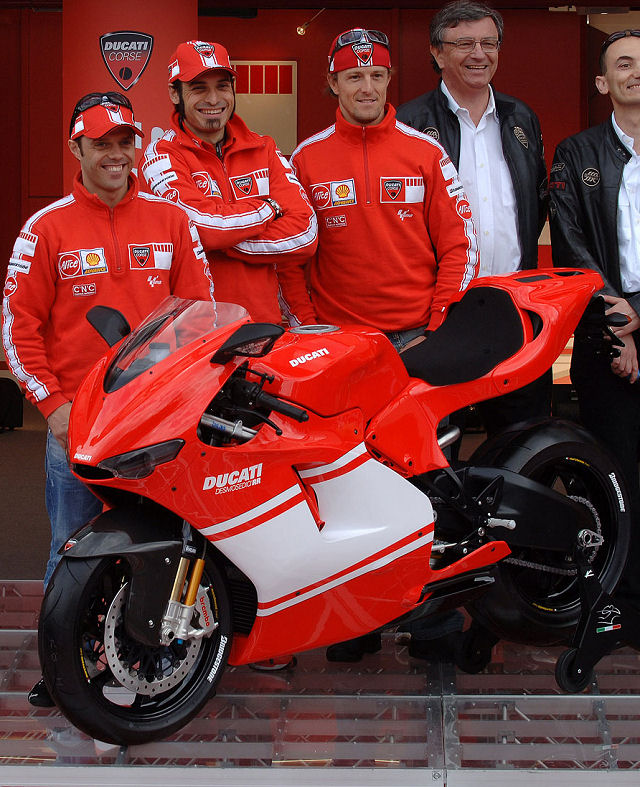 Ducati had announced their intent during the World Ducati Week, back in May 2004. And today, in June 2006, they’ve kept their word. 989cc L4. 205 horsepower. About 165 kilos dry weight. And a top speed in excess of 320km/h. Ducati’s Desmosedici RR, the world’s first road-legal MotoGP replica is go. Okay, so the road going Desmosedici RR has about 35 horsepower less than the bike which Loris Capirossi rode to victory in this year’s MotoGP at Jerez. And Ducati are only building 400 of these bikes, of which more than 300 are already spoken for. Plus, each RR will cost in about US$65,000 so it’s not like you can just rush to the nearest Ducati dealership and put down a deposit on one. But yes, if there’s one thing in the world which makes me want to earn more money, it’s this Ducati. It’s gorgeous beyond its sand-cast aluminium alloy crankcase and cylinder heads. It’s glorious beyond its titanium con-rods and valves. It’s desirable beyond its magnesium engine covers…